
The Man Behind the New Gucci
Before Tom Ford became one of fashion’s most influential designers, he was a Texas-born creative with a fascination for image, architecture and personal style. Born in Austin in 1961 and raised partly in New Mexico, Ford studied art history at NYU before turning to architecture at Parsons. His career eventually led him to Milan, where he joined Gucci in 1990.
Ford arrived at a pivotal moment for the house. Gucci had an iconic name and a rich history, but it was struggling to feel relevant to a new generation. Ford saw an opportunity to bring the house back into the spotlight—not by looking backward, but by giving Gucci a completely new attitude.
The Tom Ford Effect
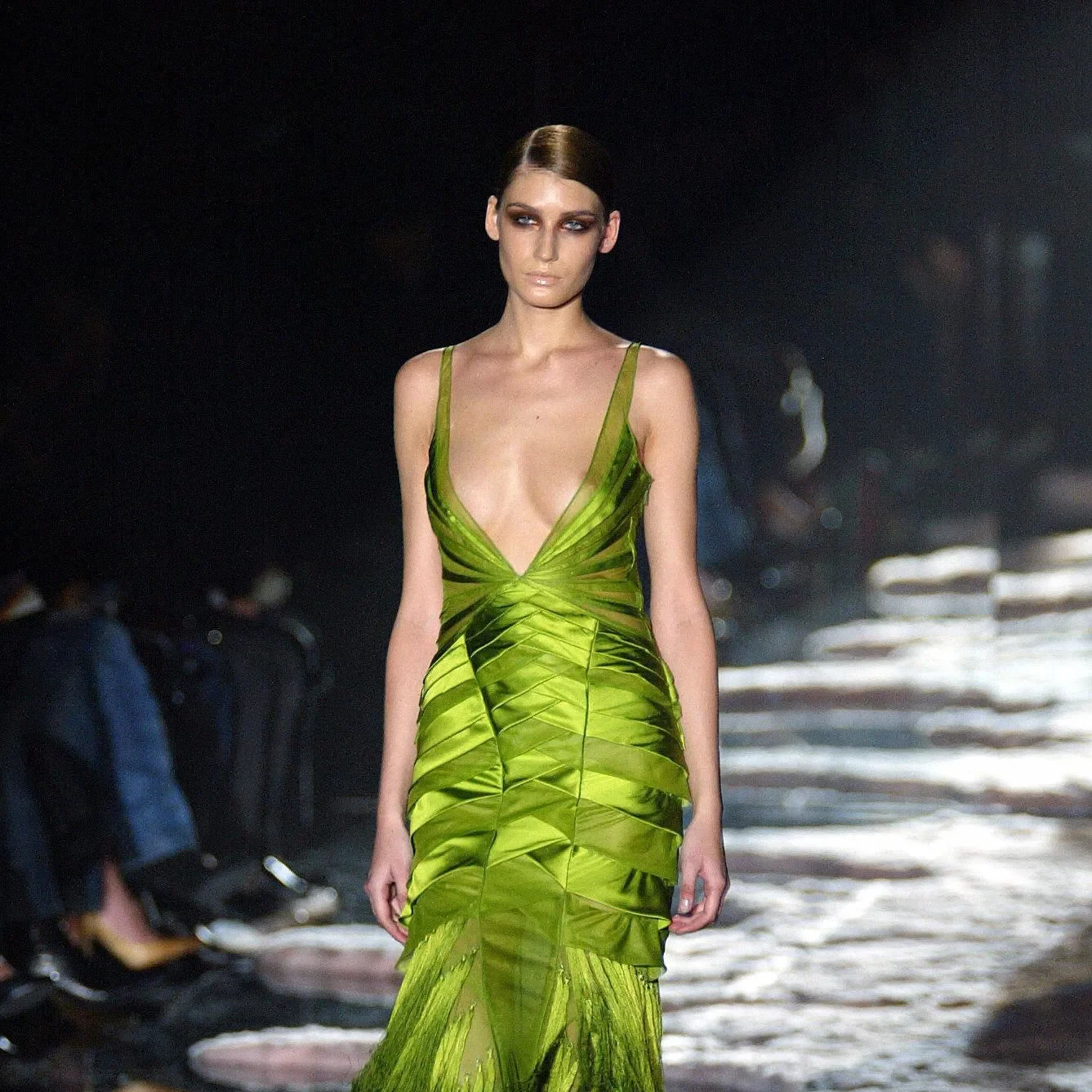
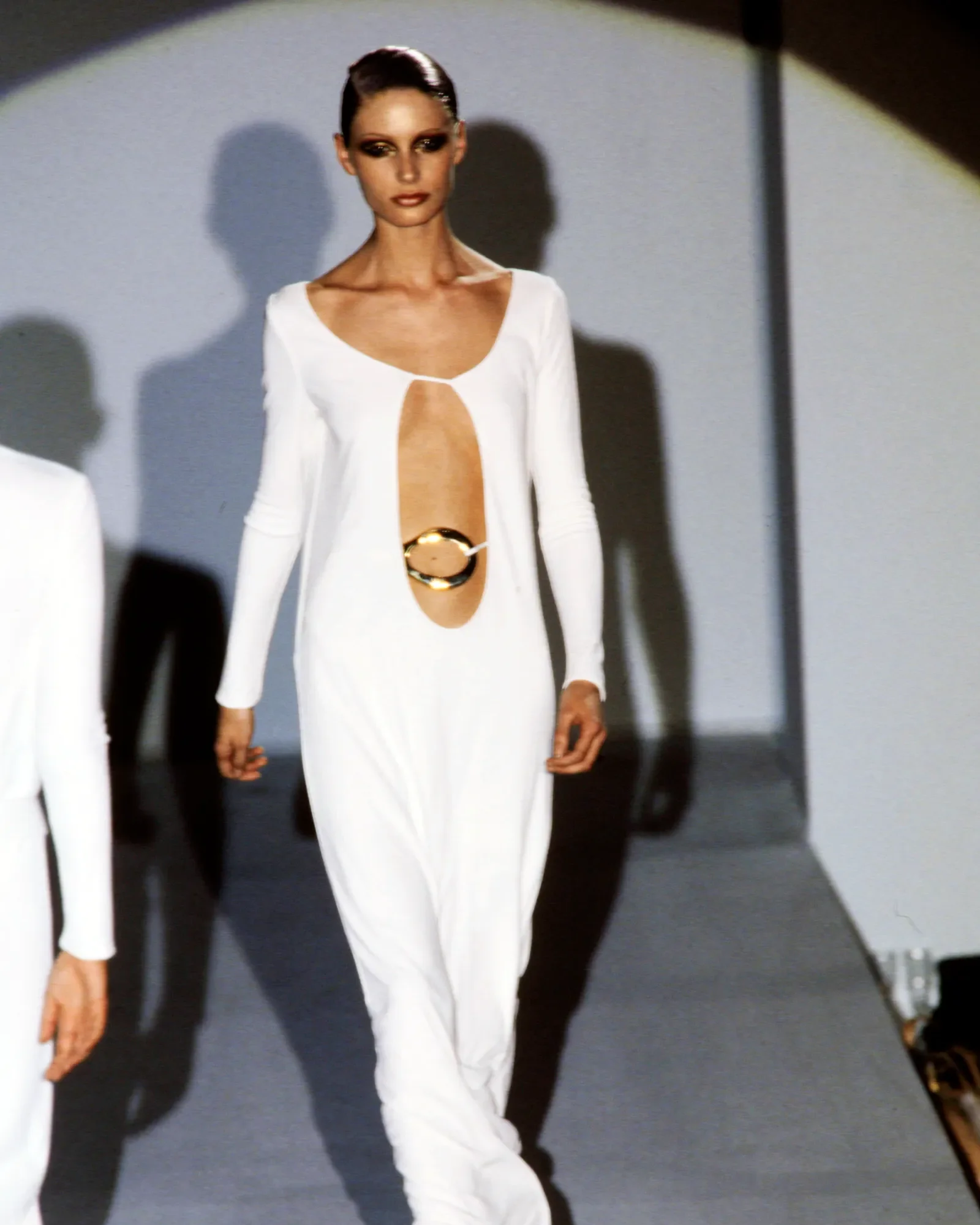
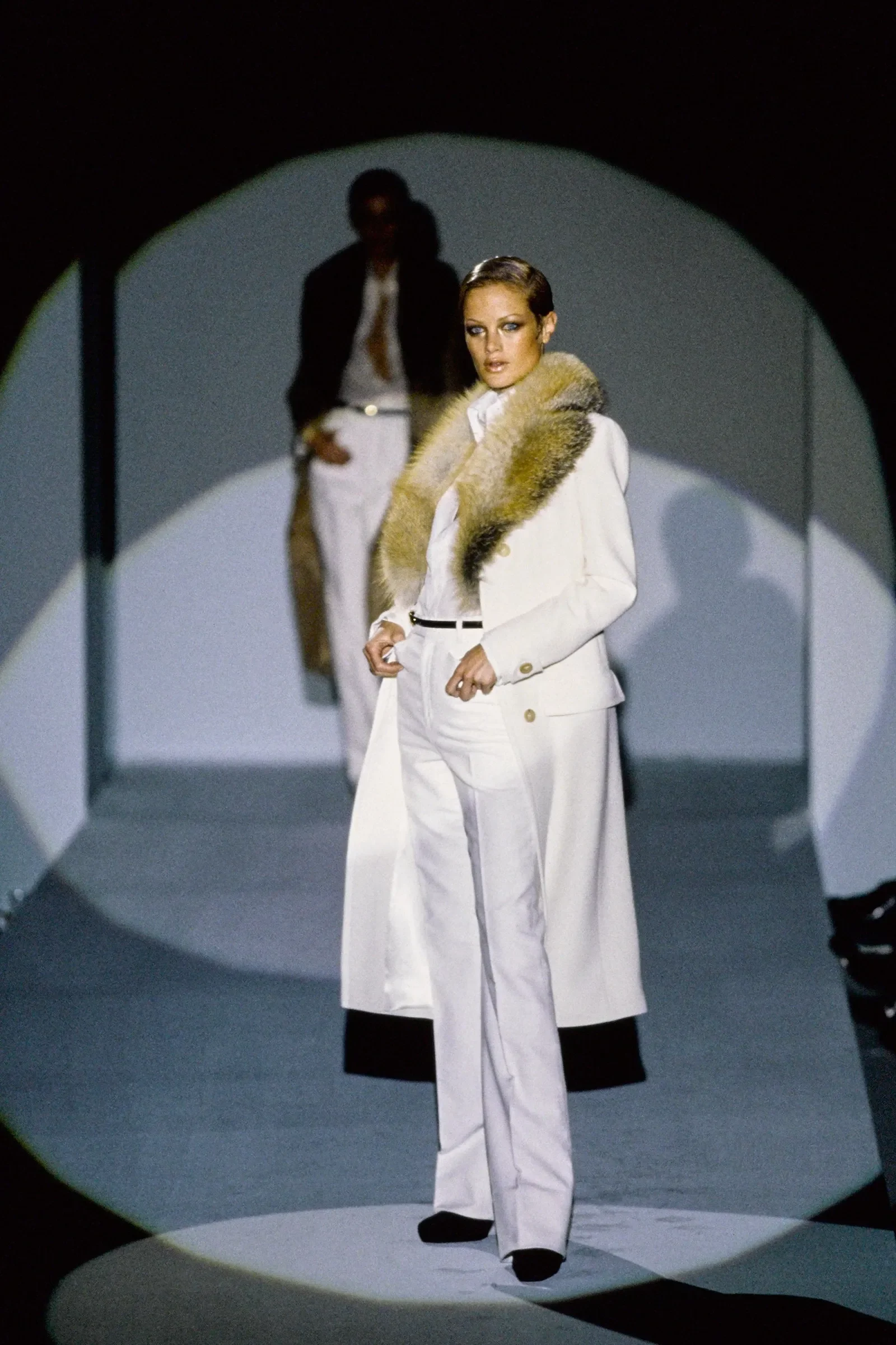
When Ford became Gucci's creative director in 1994, the transformation was immediate. He replaced the quiet luxury of the previous era with something sharper, darker and far more provocative. Low-rise trousers, velvet, satin, sleek tailoring and revealing silhouettes became signatures of the new Gucci.
But Ford understood that fashion was about more than clothes. He created an entire world around the collections—one filled with nightlife, glamour and excess. Gucci's campaigns became just as talked-about as its runway shows, turning the brand into something people didn't simply want to wear; they wanted to be part of it.
Selling the Fantasy
Ford's greatest contribution to Gucci may have been his understanding of desire. He made sex appeal part of the brand's identity, using clothing, photography and attitude to create a vision of luxury that felt provocative and completely modern.
His Gucci woman was confident and unapologetic, dressed in clothes that celebrated the body rather than hiding it. His menswear carried the same sensuality through sharp tailoring, open shirts and a polished but rebellious attitude. Everything felt deliberate, from the cut of a jacket to the flash of a logo.
By the late 1990s, Gucci was no longer simply a historic Italian fashion house. It had become a cultural force. Ford had transformed its image through a combination of glamour, provocation and unmistakable sex appeal.
When he left in 2004, he left behind one of fashion's most memorable eras—and a Gucci that felt entirely different from the one he had joined.
Photo Usage Disclaimer
I do not claim ownership of the photos featured in this article unless explicitly noted. All images are either sourced from public domains, licensed platforms, or credited to their respective owners. Additionally, I do not receive any compensation for the use of these images. If you are the rightful owner of any image and have concerns about its use, please reach out, and I will address the issue promptly.
Photo Credits:
https://www.instagram.com/explore/search/keyword/?q=gucci%20tom%20ford