
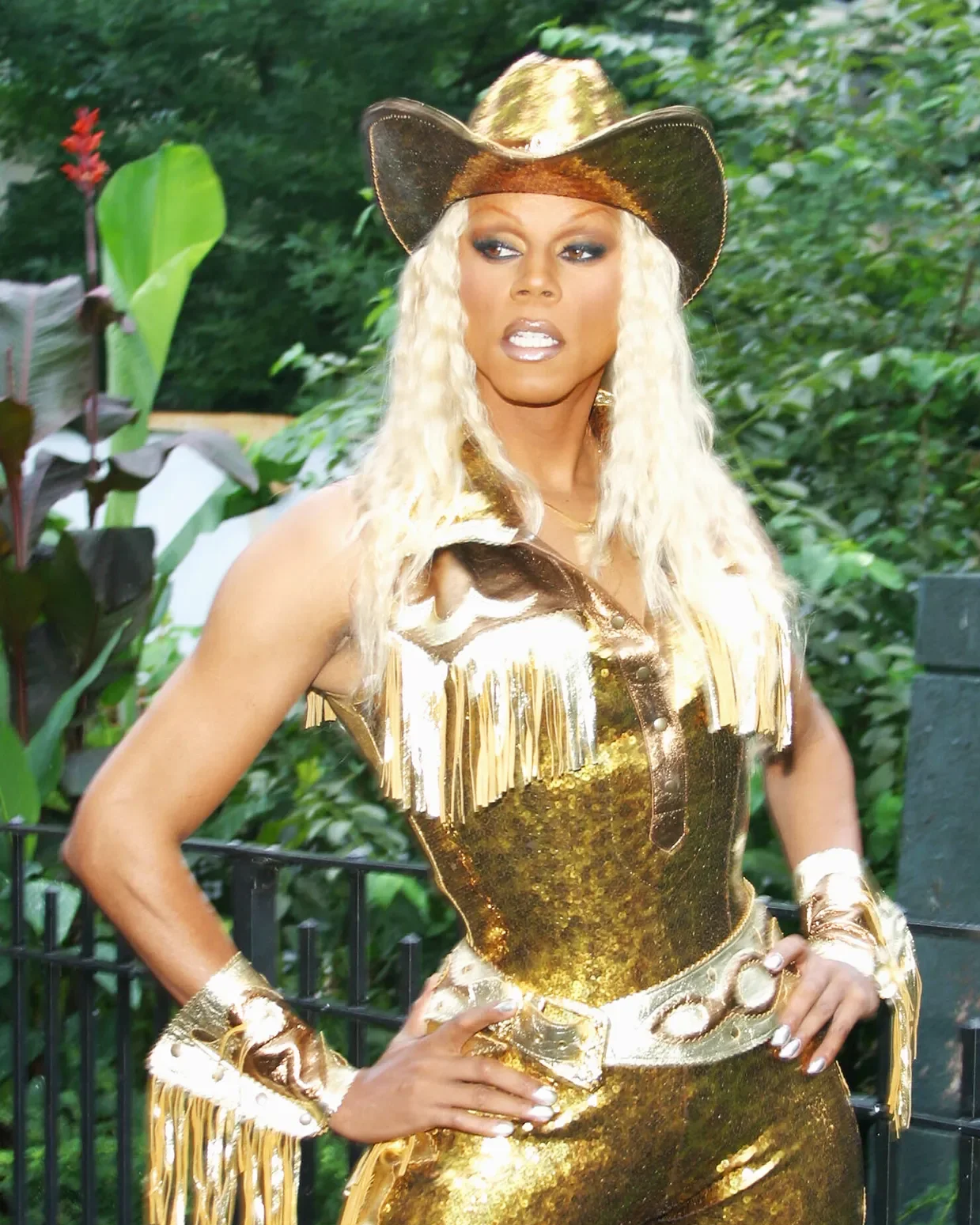
RuPaul's Drag Race
Long before RuPaul’s Drag Race, RuPaul was building a career around making drag impossible to ignore. Born in San Diego and raised partly in Atlanta, RuPaul eventually found his way to New York’s downtown scene, where he became known for his larger-than-life performances and unapologetic approach to gender, glamour, and self-expression.
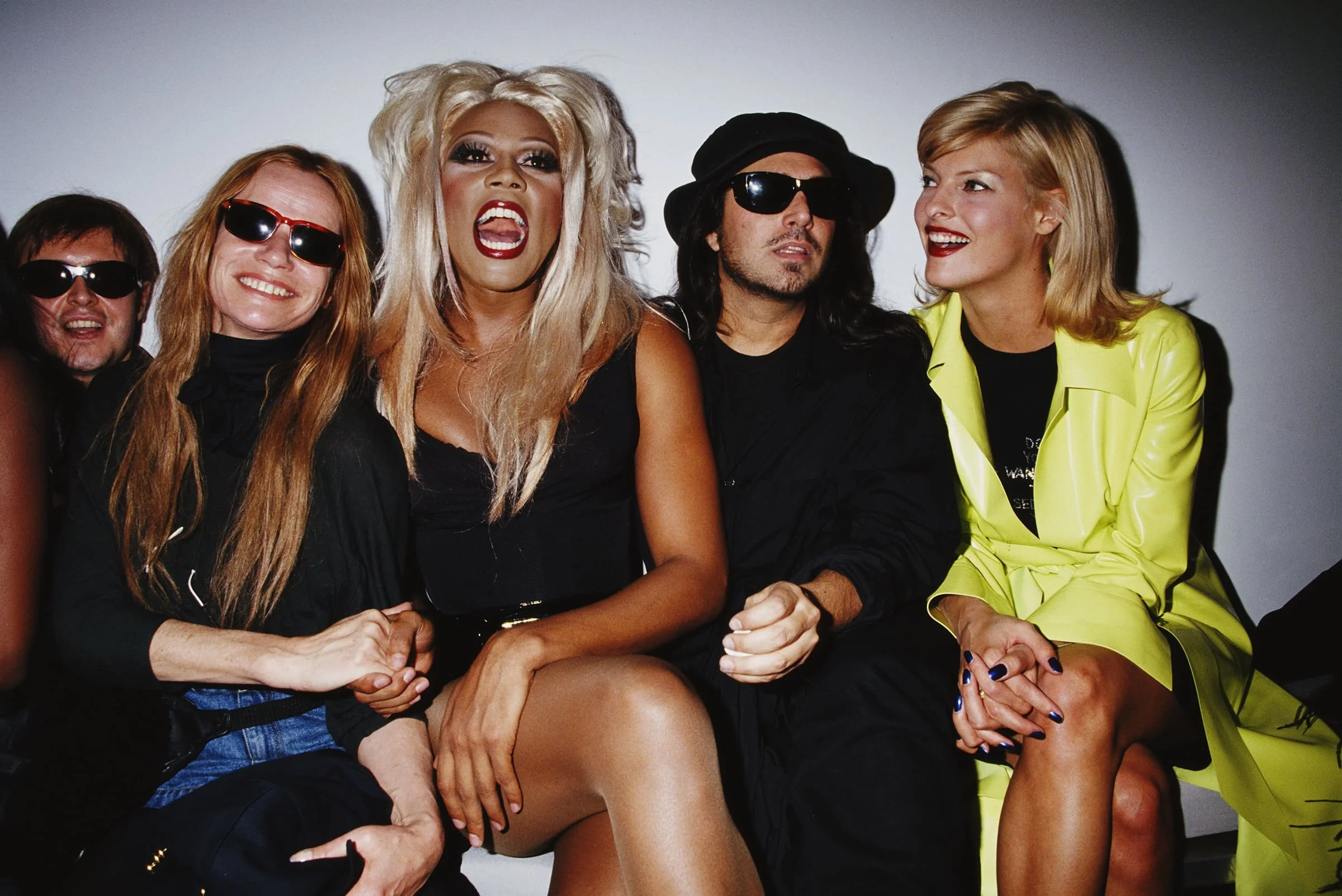
His breakthrough came with Supermodel (You Better Work) in the early 1990s, turning RuPaul from a downtown performer into a mainstream pop-culture figure. Music, television, film, and his groundbreaking MAC Cosmetics campaign followed. He became a fixture in fashion and entertainment at a time when drag was still largely kept outside the mainstream. By the time Drag Race arrived, RuPaul had already spent years proving that drag could exist far beyond the club.
The Race Begins
RuPaul’s Drag Race premiered in 2009, bringing drag into a competition format built around performance, personality, creativity, and fashion. The show gave audiences a behind-the-scenes look at what went into becoming a drag queen, from makeup and costumes to comedy, acting, design, and the runway.
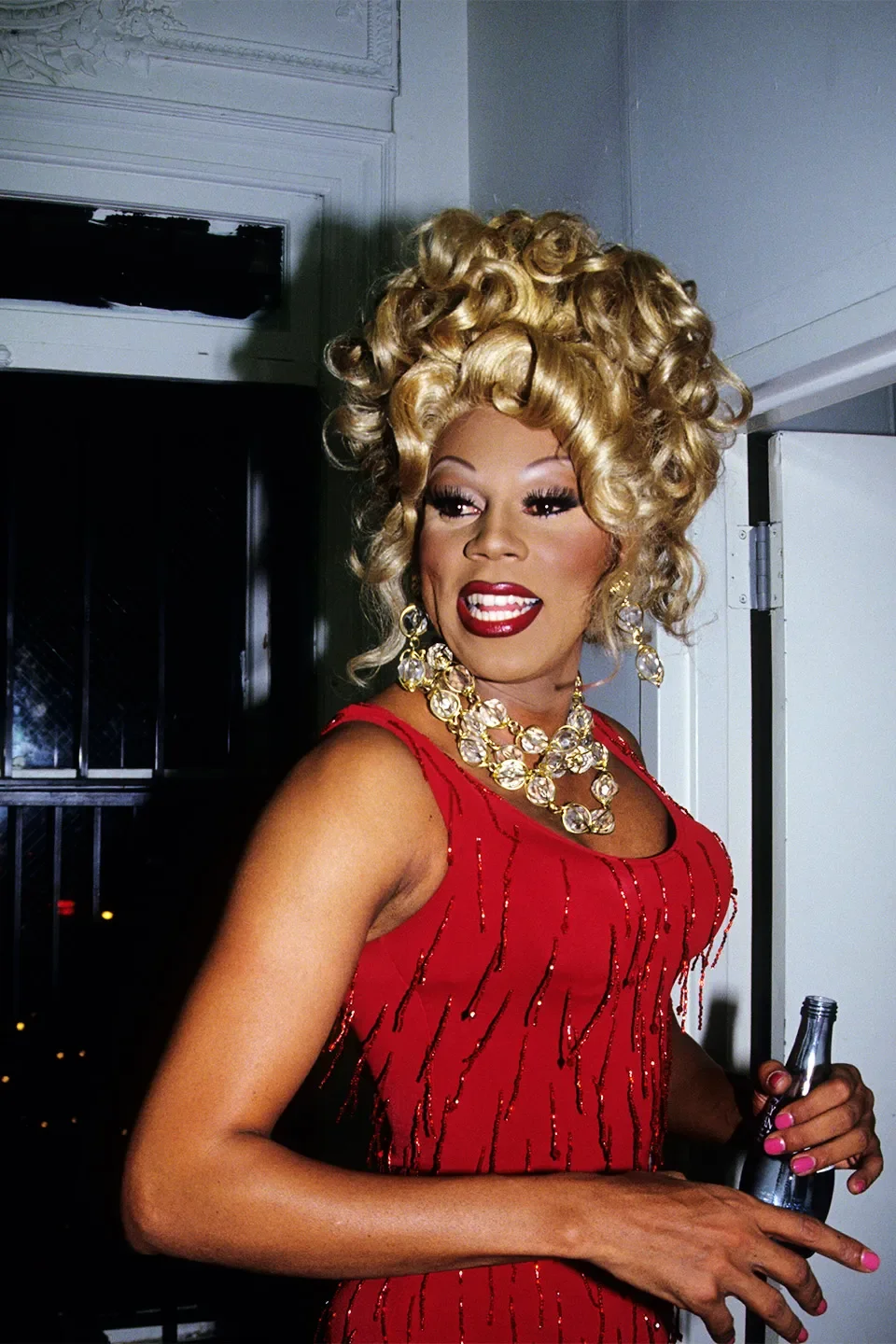
What began on Logo quickly became something much bigger. The series eventually moved to VH1, expanded into All Stars and international editions, and created a global platform for drag performers. Its appeal wasn't simply the competition—it was the personalities. Viewers watched queens build characters, reveal their vulnerabilities, find their voices, and turn themselves into fully realized artists. More than a reality show, Drag Race introduced mainstream audiences to a world that had long existed outside the spotlight and helped make drag part of everyday pop-culture conversation.

The Drag Effect
Fashion has always been at the heart of Drag Race. On the runway, clothing became more than something to wear—it became a way to build a character, tell a story, and command attention. Exaggerated silhouettes, dramatic makeup, camp, glamour, and theatrical styling became part of the show's visual language.
As the series grew, so did the fashion. Queens began bringing increasingly ambitious looks to the runway, drawing from couture, pop culture, vintage fashion, and their own identities. Their influence eventually moved beyond the show, with drag queens becoming fashion personalities in their own right and drag aesthetics appearing more prominently across music, beauty, and mainstream fashion.
Drag Race didn't invent fashion's relationship with drag, but it gave that relationship a global stage. Its lasting impact is the idea that fashion doesn't have to follow the rules. It can be transformation, performance, identity, humor, and fantasy all at once—and sometimes the most memorable look is the one that refuses to blend in.
Photo Usage Disclaimer
I do not claim ownership of the photos featured in this article unless explicitly noted. All images are either sourced from public domains, licensed platforms, or credited to their respective owners. Additionally, I do not receive any compensation for the use of these images. If you are the rightful owner of any image and have concerns about its use, please reach out, and I will address the issue promptly.
Photo Credits:
https://www.instagram.com/willowpillqueen/